
Which National Park Should You Visit?
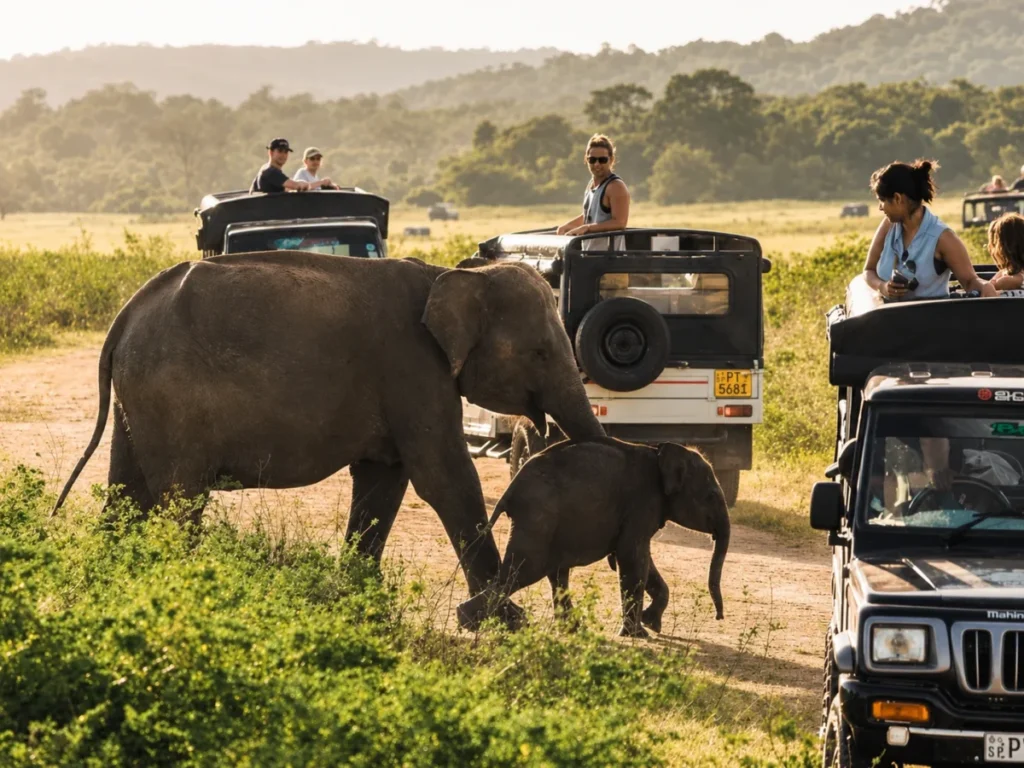
Sri Lanka is one of Asia’s most exciting wildlife destinations. Its national parks protect elephants, leopards, sloth bears, crocodiles, deer, monkeys and an impressive variety of birds—all within a relatively small island. Each national park offers a different landscape and wildlife experience. Choosing the right one depends on your travel route and the animals you hope to see. Yala National Park Yala is Sri Lanka’s most famous national park and an excellent choice for travellers hoping to see a wide variety of wildlife. The park is especially known for its leopard population. Elephants, spotted deer, wild boar, crocodiles, buffaloes and numerous bird species can also be seen. Its combination of forests, grasslands, rocky areas and lagoons creates beautiful safari scenery. Yala can become busy during popular travel periods. Choosing an experienced and responsible safari operator will help create a more respectful wildlife experience. Best for: Leopards, varied wildlife and dramatic landscapes. Udawalawe National Park Udawalawe is one of the best places in Sri Lanka to observe wild elephants. Its open grasslands and reservoir make animals easier to spot than in heavily forested parks. In addition to elephants, visitors may encounter water buffaloes, crocodiles, deer, monkeys and many birds. The open scenery also makes Udawalawe an excellent destination for wildlife photography. Located between the hill country and southern Sri Lanka, the park fits conveniently into itineraries travelling from Ella toward the coast. Best for: Elephants, families and first-time safari visitors. Minneriya National Park Minneriya is located near Sigiriya and forms part of an important habitat shared with neighbouring wildlife areas. During drier periods, elephants often gather around the Minneriya reservoir in search of water and fresh grass. The number and location of elephants can change according to rainfall and environmental conditions. For this reason, a knowledgeable local guide may recommend Minneriya, Kaudulla or Hurulu Eco Park depending on recent wildlife movements. A safari here can easily be combined with Sigiriya, Dambulla and Polonnaruwa. Best for: Elephant herds and Cultural Triangle itineraries. Wilpattu National Park Wilpattu offers a quieter and more natural safari atmosphere. It is Sri Lanka’s largest national park and is known for its forests, open grasslands and natural lakes known as “villus.” The park is home to leopards, sloth bears, elephants, deer, crocodiles and birdlife. Because Wilpattu is large and densely forested, sightings may require patience. However, the peaceful surroundings and lower number of safari vehicles can make the experience especially rewarding. Wilpattu can be combined with Anuradhapura and destinations in northwestern Sri Lanka. Best for: Peaceful safaris, natural landscapes and patient wildlife enthusiasts. Bundala National Park Bundala is an excellent option for birdwatchers and travellers interested in wetland wildlife. Its lagoons, saltpans and coastal habitats attract resident and migratory birds. Visitors may also observe crocodiles, monkeys, deer and occasionally elephants. Bundala generally receives fewer visitors than Yala, making it suitable for travellers who prefer a quieter experience. Best for: Birdwatching, wetlands and uncrowded safaris. Morning or Afternoon Safari? Early morning safaris offer cooler temperatures, soft natural light and active birdlife. Afternoon safaris can also be rewarding as the heat decreases and animals begin moving toward water sources. Neither time guarantees better sightings. Wildlife moves freely, and every safari is different. Your choice can be based on your itinerary, weather conditions and the advice of an experienced local guide. Tips for a Responsible Safari A good safari should protect the animals as well as provide an enjoyable experience for visitors. Animal sightings are never guaranteed. Patience is part of the experience, and observing the park’s landscapes, birds and smaller animals can be just as rewarding as seeing its most famous inhabitants. Choosing the Right National Park Choose Yala for leopards and a wide variety of wildlife. Select Udawalawe for reliable elephant-viewing opportunities, or Minneriya when staying near Sigiriya. Consider Wilpattu for a quieter wilderness experience and Bundala for birdwatching. Whichever park you choose, a Sri Lankan safari offers the opportunity to experience the island beyond its beaches and historic sites. With thoughtful planning and responsible guiding, it can become one of the most memorable parts of your journey.
8 Unforgettable Places to Visit in Sri Lanka
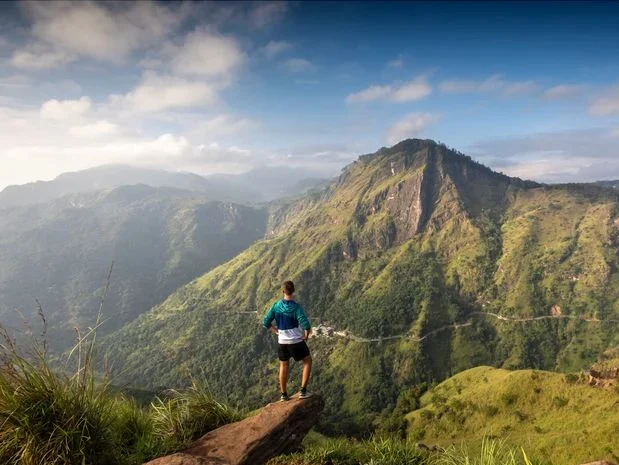
Sri Lanka offers an extraordinary mix of ancient heritage, misty mountains, tropical beaches and wildlife-filled landscapes. Although the island is compact, every region has its own atmosphere and experiences. Here are eight unforgettable destinations to consider when planning your Sri Lankan journey. 1. Sigiriya Rising dramatically above the surrounding plains, Sigiriya is one of Sri Lanka’s most iconic landmarks. This ancient rock fortress features historic ruins, landscaped gardens, colourful frescoes and breathtaking views from the summit. Climbing Sigiriya is best done early in the morning when the temperature is cooler. Nearby attractions such as Dambulla Cave Temple and traditional village experiences make the region worth exploring for at least two days. 2. Kandy Kandy is Sri Lanka’s cultural capital and home to the sacred Temple of the Tooth Relic. Surrounded by green hills, the city combines religious heritage, traditional arts and a relaxed lakeside atmosphere. Visitors can explore Kandy Lake, watch a cultural dance performance and visit the beautiful Royal Botanical Gardens in Peradeniya. Kandy is also an ideal gateway to Sri Lanka’s central highlands. 3. Nuwara Eliya Known for its cool climate and rolling tea estates, Nuwara Eliya offers a refreshing contrast to Sri Lanka’s tropical coast. A visit to a working tea factory provides an opportunity to learn how famous Ceylon tea is grown and produced. Other highlights include Gregory Lake, colourful gardens, waterfalls and scenic drives through the surrounding mountains. Pack a light jacket, as evenings can be surprisingly cool. 4. Ella Ella is a peaceful hill-country town surrounded by tea plantations, forests and mountain scenery. It is especially popular with travellers who enjoy walking and outdoor experiences. Popular attractions include the Nine Arch Bridge, Little Adam’s Peak and Ravana Falls. The scenic train journey to Ella is also considered one of Sri Lanka’s most memorable travel experiences. Spend at least two nights here to enjoy the area without rushing. 5. Yala National Park Yala National Park is one of Sri Lanka’s best-known wildlife destinations. Its varied landscapes provide a natural habitat for elephants, crocodiles, deer, monkeys and numerous bird species. The park is also famous for its leopard population, although sightings can never be guaranteed. Exploring Yala by safari jeep with an experienced guide offers an exciting opportunity to observe wildlife responsibly in its natural environment. 6. Galle Fort Galle Fort is a beautifully preserved historic area overlooking the Indian Ocean. Its narrow streets are lined with colonial-era buildings, boutique hotels, cafés, museums and small galleries. Walk along the fort walls in the late afternoon and enjoy the sunset near the lighthouse. The relaxed atmosphere makes Galle an excellent place to slow down after a busy journey through the island. 7. Mirissa Mirissa is a popular southern-coast destination known for its curved beach, coconut palms and relaxed seaside atmosphere. Travellers can spend their time swimming, enjoying fresh seafood or exploring nearby beaches. Seasonal whale-watching excursions are also available, but it is important to choose a responsible operator that respects marine wildlife. Mirissa can be combined easily with Galle, Weligama and other southern attractions. 8. Anuradhapura Anuradhapura was one of Sri Lanka’s ancient capitals and remains an important centre of Buddhist heritage. The sacred city contains magnificent stupas, historic monasteries, stone carvings and the revered Sri Maha Bodhi tree. Because the archaeological area is extensive, exploring it with a knowledgeable guide helps visitors understand its history and spiritual importance. Dress respectfully by covering your shoulders and knees when entering religious sites. How to Choose the Right Destinations The best places for your holiday depend on your interests and available travel time. Choose Sigiriya, Kandy and Anuradhapura for culture and history. Visit Nuwara Eliya and Ella for tea country and mountain scenery. Include Yala for wildlife, or travel south to Galle and Mirissa for heritage and beach relaxation. For a first visit, a journey of approximately 10 to 14 days allows you to combine several regions at a comfortable pace. Avoid adding too many overnight stops, as a slower itinerary creates more opportunities for meaningful experiences and unexpected discoveries. Sri Lanka is more than a collection of famous attractions. Its real beauty is found in the contrasts between ancient cities, rural communities, wild landscapes and tropical shores. With thoughtful planning, these destinations can become part of one seamless and unforgettable island journey.
Best Time to Visit Sri Lanka
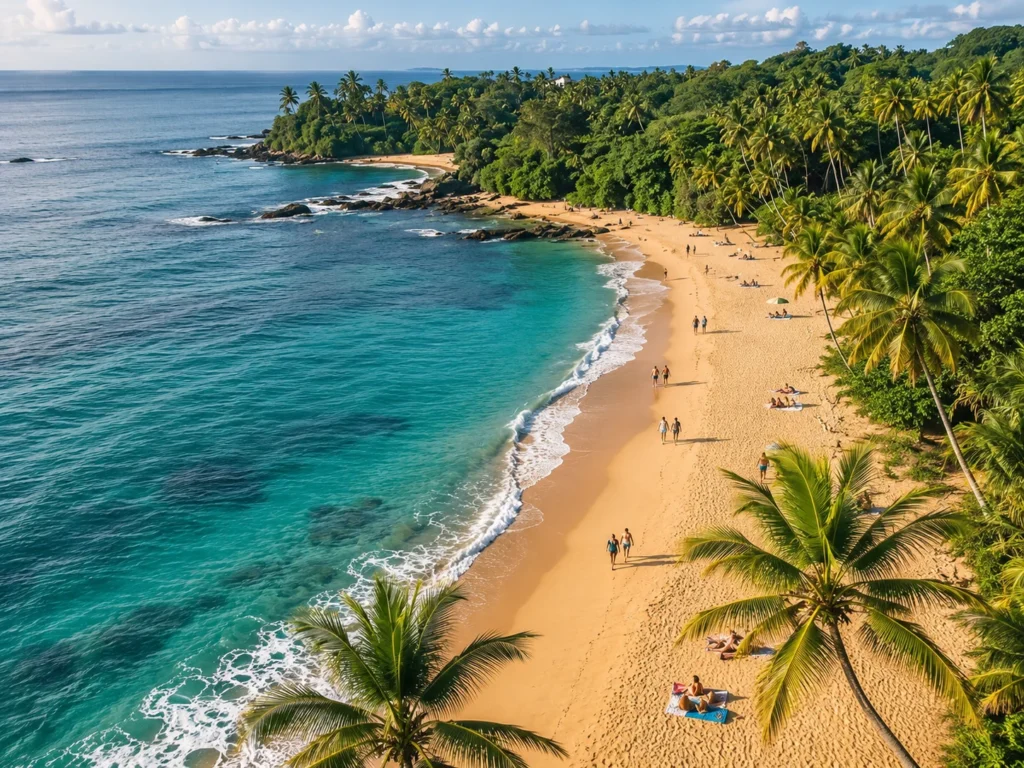
Sri Lanka is a year-round destination, but the best time to visit depends on the regions you want to explore. Because the island is influenced by two monsoon seasons, different coasts experience their best weather at different times. Whether you are dreaming of sunny beaches, wildlife safaris, cultural discoveries or misty mountain scenery, this simple guide will help you choose the right travel period. December to March: South and West Coast Season December to March is one of the most popular periods for visiting Sri Lanka. The southern and western regions generally experience sunnier days, calmer seas and comfortable conditions for sightseeing. This is an excellent time to visit: It is also a favourable season for combining the beaches with Sigiriya, Kandy, Ella and the central highlands. Since this is a popular travel period, hotels, train tickets and wildlife experiences can become busy. Booking early is recommended, especially around Christmas, New Year and February. April: Warm Weather and Cultural Celebrations April is usually one of the warmest months in Sri Lanka. It is also an interesting time to experience the Sinhala and Tamil New Year, which is celebrated across the island with traditional food, customs and family gatherings. Coastal areas can be hot, while destinations in the hill country offer cooler temperatures. Kandy, Nuwara Eliya and Ella are excellent choices for travellers who prefer mountain scenery and a more comfortable climate. Short afternoon showers may occur, but they often pass quickly. May to September: East Coast Season From May to September, the east coast usually offers better beach conditions while the southwest experiences more rainfall. Recommended east-coast destinations include: Trincomalee and Nilaveli are ideal for relaxing beach holidays, snorkelling and seasonal whale-watching experiences. Arugam Bay is especially popular among surfers. This period is also suitable for exploring the Cultural Triangle, including Sigiriya, Dambulla, Polonnaruwa and Anuradhapura. These regions are generally drier and can be combined easily with an east-coast stay. October and November: Quieter Travel Period October and November are transitional months, with rain possible in several regions. However, this does not mean it rains throughout the day. Visitors can still experience sunshine between tropical showers. This quieter period has several advantages: A flexible itinerary is helpful during these months. Travellers should include extra time for journeys and keep alternative activities available in case of rain. Best Time for Wildlife Safaris Sri Lanka offers rewarding wildlife experiences throughout the year. The ideal park depends on the season and the animals you hope to observe. Yala National Park is famous for leopards, elephants and birdlife. Udawalawe is one of the most reliable places to see wild elephants, while Minneriya and nearby parks are known for large seasonal elephant gatherings. Dryer periods often make wildlife easier to observe because animals gather near water sources. However, sightings are never guaranteed, and park conditions can change throughout the year. Best Time for the Hill Country Kandy, Nuwara Eliya, Ella and Haputale can be visited during most months. The hill country is cooler than the coastal regions and is known for tea estates, waterfalls, mountain views and scenic train journeys. January to March often provides clearer views, while the rainy months create greener landscapes and more impressive waterfalls. The weather can change quickly in the mountains, so bring a light jacket and rain protection regardless of the season. Best Time for a Beach Holiday Choose your beach according to your travel month: If swimming, snorkelling or surfing is an important part of your holiday, always check the local sea conditions. Weather and ocean conditions can vary even during the usual dry season. When Should You Visit Sri Lanka? There is no single perfect month for every traveller. The best time depends on your preferred destinations and experiences. Choose December to March for southern beaches and classic island journeys. Visit between May and September for the east coast, ancient cities and surfing. Consider the quieter transitional months if you prefer fewer visitors and do not mind occasional rain. With a thoughtfully planned itinerary, Sri Lanka can offer a memorable combination of culture, wildlife, nature and tropical beauty at almost any time of the year.
Ultimate Sri Lanka Travel Guide for First-Time Visitors
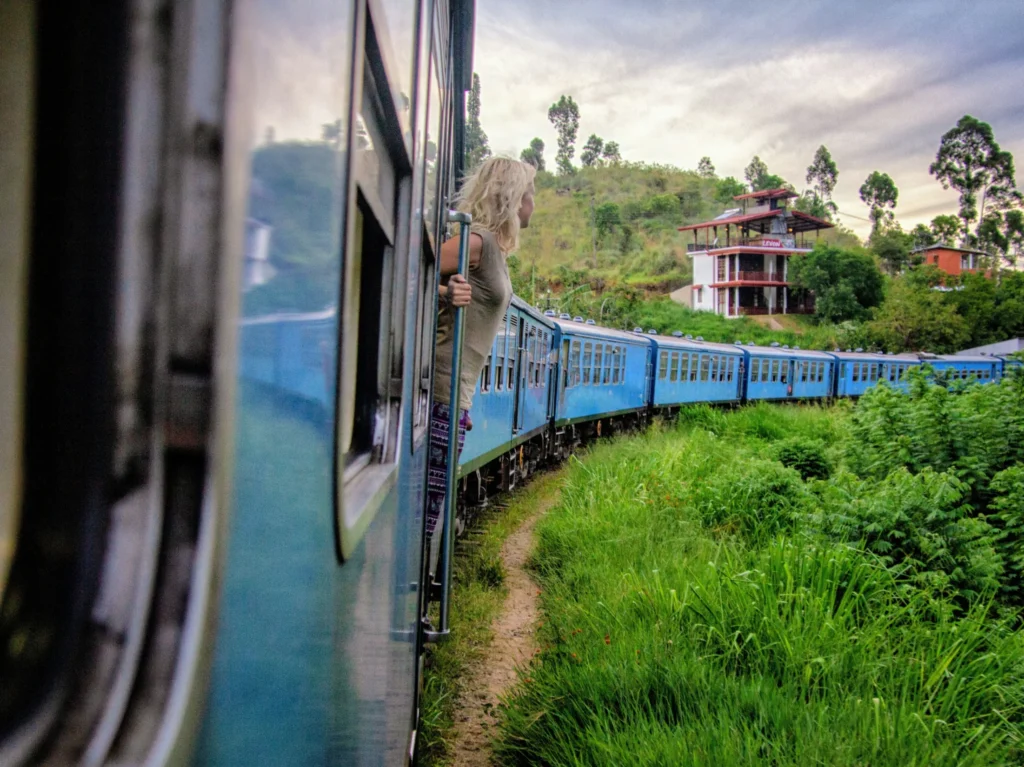
Why Visit Sri Lanka? Sri Lanka brings together culture, nature, wildlife, wellness and adventure within a remarkably compact destination. In the morning, you could explore an ancient royal city; by afternoon, you could be travelling through tea-covered mountains or watching elephants in their natural habitat. The island is especially suitable for travellers seeking variety. Its highlights include UNESCO-listed heritage sites, national parks, scenic train journeys, tropical beaches, traditional Ayurveda experiences and a rich culinary culture. Beyond its landscapes and attractions, Sri Lanka is remembered for its hospitality. Genuine encounters with local people often become some of the most meaningful moments of a journey. When Is the Best Time to Visit Sri Lanka? Sri Lanka is a year-round destination because different regions experience their best weather at different times. The southwest coast, including Bentota, Galle, Mirissa and Hikkaduwa, generally enjoys its most favourable beach conditions from approximately November to April. The eastern coast, including Trincomalee, Pasikuda and Arugam Bay, is often at its best from around May to September. The Cultural Triangle and central hill country can be visited throughout much of the year, although occasional tropical rainfall should always be expected. Rather than choosing your travel dates based only on the weather, consider the experiences and regions you most want to explore. A carefully planned itinerary can make Sri Lanka rewarding during almost any season. How Many Days Do You Need in Sri Lanka? A holiday of 10 to 14 days is ideal for most first-time visitors. This provides enough time to experience several regions without making the journey feel rushed. A shorter trip of seven days can focus on selected highlights such as Sigiriya, Kandy, the hill country and the southern coast. Travellers with two weeks or more can enjoy a slower itinerary that includes wildlife, cultural experiences, beaches and lesser-visited destinations. Although distances may appear short on a map, travel can take longer than expected because of winding roads, mountain routes and interesting stops along the way. Allowing enough time between destinations will make your holiday more comfortable and enjoyable. Essential Places for First-Time Visitors Sigiriya and the Cultural Triangle Sigiriya is one of Sri Lanka’s most recognisable landmarks. The ancient rock fortress rises dramatically above the surrounding plains and offers a fascinating combination of history, engineering, art and panoramic scenery. The wider Cultural Triangle also includes Dambulla, Polonnaruwa and Anuradhapura. Together, these destinations reveal the achievements and spiritual traditions of Sri Lanka’s ancient kingdoms. Kandy Surrounded by green hills, Kandy is Sri Lanka’s cultural capital and home to the sacred Temple of the Tooth Relic. The city is also known for its lake, traditional dance performances, markets and nearby botanical gardens. Kandy provides a natural connection between the Cultural Triangle and the central highlands. Nuwara Eliya and the Tea Country Nuwara Eliya is known for its cool climate, colonial-era character and surrounding tea estates. Visitors can explore a working tea factory, walk through plantations and learn how world-famous Ceylon tea is produced. The journey through the hill country is part of the experience, with misty mountains, waterfalls and scenic viewpoints appearing along the route. Ella Ella offers a relaxed mountain atmosphere surrounded by forests, tea estates and walking trails. Popular experiences include Little Adam’s Peak, the Nine Arch Bridge and scenic viewpoints across the valleys. The train journey through the central highlands is one of Sri Lanka’s most memorable travel experiences, although seats can be limited during busy periods. A Sri Lankan National Park A wildlife safari is an essential part of many Sri Lankan journeys. Depending on the region and season, travellers may visit Yala, Udawalawe, Minneriya or another national park. Sri Lanka is home to elephants, leopards, sloth bears, crocodiles, deer, monkeys and hundreds of bird species. Wildlife sightings can never be guaranteed, but exploring these natural habitats with a responsible guide can be an unforgettable experience. Galle and the Southern Coast Galle Fort combines centuries of history with boutique hotels, cafés, galleries and ocean views. Its walkable streets and preserved architecture make it an enjoyable place to explore at a relaxed pace. The surrounding southern coastline offers beaches such as Unawatuna, Mirissa, Weligama and Bentota. Each area has a different atmosphere, from peaceful retreats to lively coastal towns. A Suggested First-Time Sri Lanka Route A comfortable introductory itinerary could follow this route: This route can be adjusted according to your travel dates, interests and preferred pace. Ayurveda retreats, adventure activities, cultural encounters or additional beach stays can also be included. Getting Around Sri Lanka Sri Lanka offers several ways to travel, including private vehicles, trains, buses, taxis and domestic flights. Trains are especially popular in the hill country because of the beautiful scenery. However, they may be crowded and are not always the fastest or most comfortable option. For first-time visitors, a private vehicle with a professional guide or chauffeur guide provides greater comfort and flexibility. It also allows you to include viewpoints, local experiences and interesting stops that may be difficult to reach independently. A well-planned private journey is particularly valuable when visiting several regions within a limited number of days. Sri Lankan Food to Experience Sri Lankan cuisine is aromatic, colourful and deeply connected to local ingredients. Rice and curry is the best-known meal, but it may include several vegetable, seafood or meat dishes accompanied by sambols and other side dishes. Foods worth trying include: Sri Lankan food can be spicy, so let your host or guide know if you prefer milder flavours. Vegetarian meals are widely available throughout the country. Practical Tips for Your First Visit Check Entry Requirements Visa and entry requirements can change. Before travelling, confirm the current information through Sri Lanka’s official Department of Immigration and Emigration or your nearest Sri Lankan diplomatic mission. Pack for Different Climates Lightweight clothing is suitable for most lowland and coastal areas. Pack a light jacket for the cooler hill country, along with comfortable walking shoes, sun protection and rain protection. When visiting temples, wear clothing that covers your shoulders and